Is Powder Coating Green?

admin • March 15, 2016

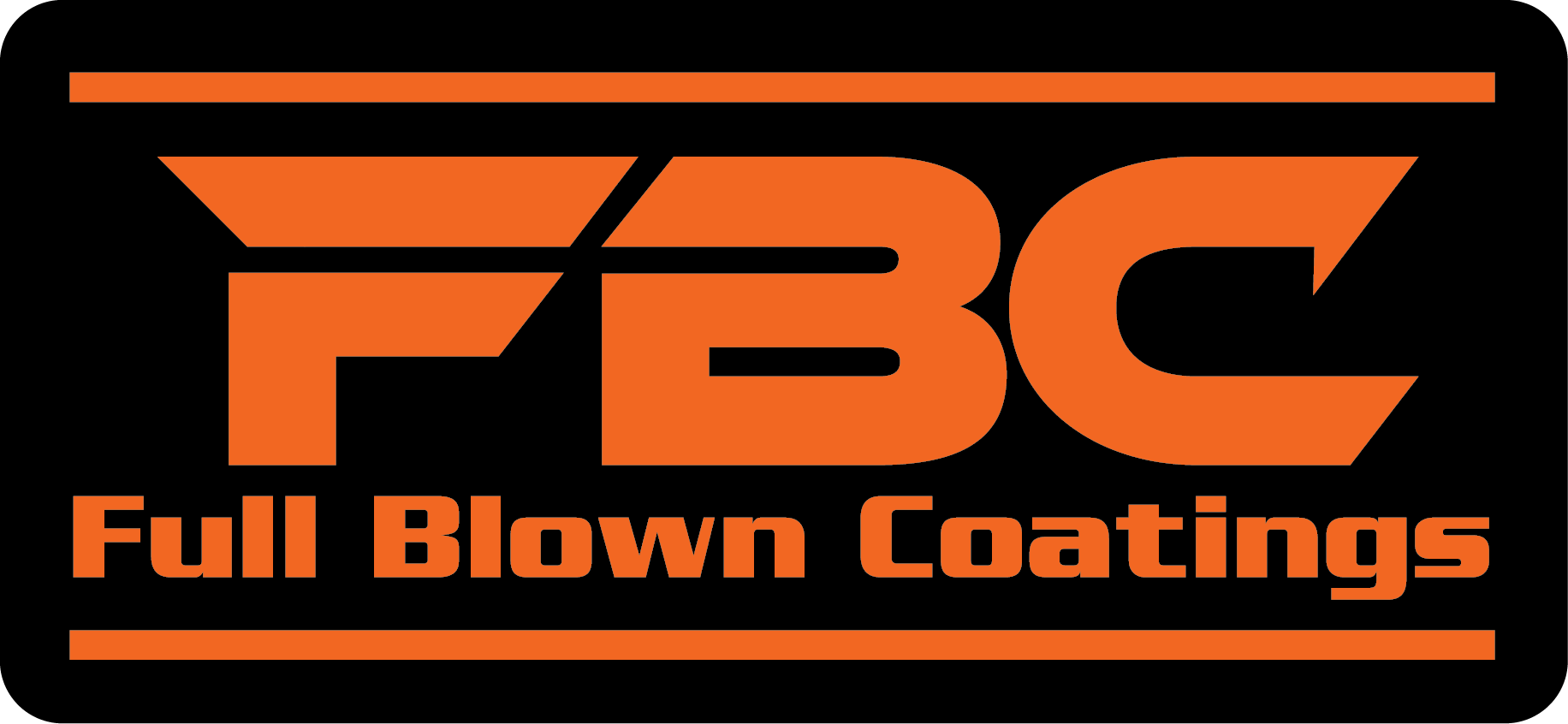
colored powder Have you ever wondered about the environmental impact of powder coating, and whether it’s a more beneficial option than traditional spray paint? Read on to learn about how powder coating is much greener than other finishing processes.

It’s solvent-free.

Many traditional paints are solvent based. Solvent based paints are known to be harmful for the environment, as these solvents often contain high quantities of volatile organic compounds (VOCs). According to the EPA, a VOC is “any compound of carbon, excluding carbon monoxide, carbon dioxide, carbonic acid, metallic carbides or carbonates, and ammonium carbonate, which participates in atmospheric photochemical reactions.” Solvent based paints will emit VOCs as they dry (and often for several years after drying), and these VOCs can cause significant environmental damage when they chemically interact with oxides of nitrogen and sunlight to form ground-level ozone, damaging crops, reducing visibility, and more. Meanwhile, these solvents also contain hazardous air pollutants (HAPs) which can also cause harm to humans and the environment.

All of this is to say that the environment is much better off without the air pollutants that come with solvent based paint, so when you opt for powder coating over traditional paint, you can rest assured that you won’t be damaging the environment with harmful gas emissions.

It minimizes waste.

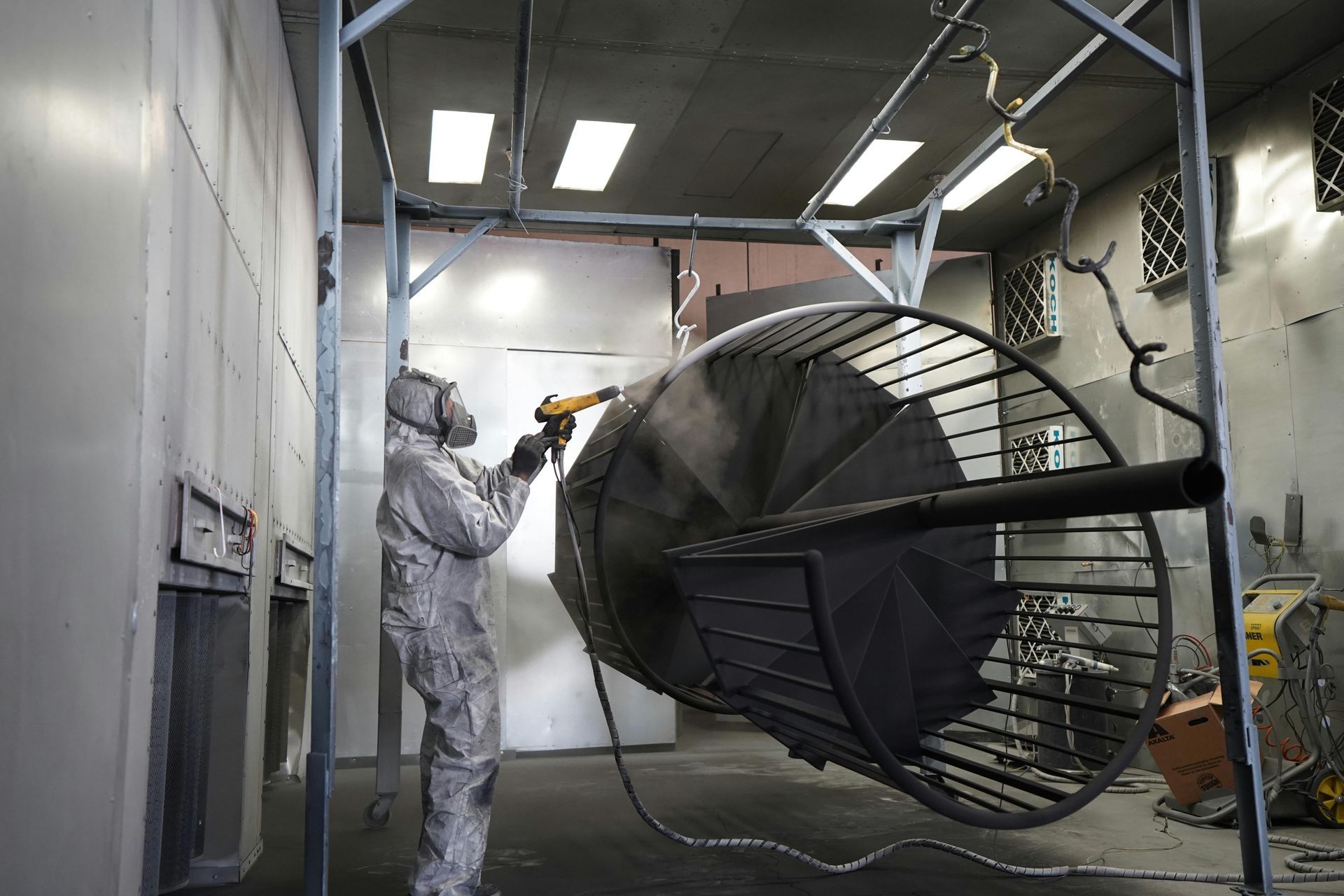
Unlike with spray painting, the overspray that results from powder coating can be reclaimed and reused. (In fact, many powder coating facilities incorporate a reclaiming system in order to facilitate this reclaiming process.) This makes the powder coating process a highly sustainable process with a transfer efficiency of over 90 percent. This is extremely high when compared to the spray painting process, which has a transfer efficiency of maybe 50 percent if you’re lucky.

It is universally recognized.

Specialists in the powder coating industry aren’t the only ones to recognize the environmental benefits of powder coating over traditional paint. Electrostatic powder spray processes are actually universally accepted and recognized as as the Best Available Control Technology (BACT) to reduce air pollution. This recognition goes hand-in-hand with the Clean Air Act of 1970, which aimed to reduce air pollution and in many ways propelled powder coating processes to the forefront of the industry. The durability and high quality finish that comes with powder coating surely make it a popular finishing option today, but its low environmental impact may have been what made it such a mainstream finishing process in the first place.

The post Is Powder Coating Green? appeared first on Full Blown Coatings.
Share This Post!
By Admin August 20, 2026
TL;DR There is no single correct PSI, grit, or blasting medium for every project. The right setup depends on the substrate, thickness, coating being removed, target surface profile, nozzle, abrasive, and final finish. Is higher PSI better? Not necessarily. Higher pressure can remove coatings faster, but it can also create excessive profile, damage aluminum, warp thin metal, wear equipment faster, and waste abrasive. What is the best blasting media? Aluminum oxide and garnet are strong choices for aggressive coating and rust removal. Glass bead is better for gentle cleaning and satin finishing. Soda, walnut shell, and plastic media are useful when protecting delicate substrates matters more than fast cutting. What should you use before powder coating? The goal is a clean, stable surface with the correct anchor profile for the powder system. That may require angular abrasive, but the exact media and settings depend on the part. Can sand blasting damage metal? Yes. Incorrect media, excessive pressure, poor nozzle distance, or too much dwell time can distort thin sheet metal, roughen aluminum, remove galvanizing, or damage precision surfaces. Professional blasting is about achieving a measurable surface condition, not simply turning the machine up until the coating disappears. The technicalities of Sand Blasting become much more important once you move beyond the idea that every project can be handled with the same abrasive and the same pressure setting. Steel, aluminum, stainless steel, galvanized metal, castings, wheels, railings, and automotive panels all respond differently to abrasive impact. Before a part reaches powder coating , Full Blown Coatings evaluates the substrate, existing finish, and intended result to determine the appropriate media blasting process . That decision can affect adhesion, appearance, corrosion resistance, and whether the part survives blasting without damage. One of the best summaries of professional surface preparation comes from AMPP: “Never paint a dirty surface.” Simple statement, complicated execution. There Is No Universal Sand Blasting Setting One of the most common questions you will see online is something like: “What PSI should I sandblast aluminum at?” The problem is that PSI alone does not tell you enough. Imagine two aluminum parts. One is a thick cast wheel covered in failed powder coating. The other is a thin decorative panel with light paint. Both are aluminum, but using the exact same abrasive, pressure, angle, and dwell time on both could produce very different results. Professional blasting starts with the outcome you need. You need to know what you are removing, how much material the substrate can tolerate losing, how smooth the final surface needs to be, and what coating will be applied afterward. The Main Variables That Control Blasting Media Type Abrasive shape and hardness determine how the particles interact with the surface. Angular media such as aluminum oxide and garnet cut into coatings and metal. That makes them useful for stripping rust, powder coating, mill scale, and industrial paint while creating an anchor profile. Rounded media such as glass bead behaves differently. Instead of cutting as aggressively, the particles tend to clean and peen the surface. This can leave aluminum or stainless steel with a smoother satin appearance. That distinction is why asking for "sandblasting" without discussing the media is incomplete. Grit Size Coarser abrasive generally cuts faster and creates a deeper profile. Finer abrasive generally provides more control and produces a shallower texture. That does not mean coarse is better for tough jobs in every situation. If you are preparing a highly visible railing for a smooth gloss powder, an excessively deep profile may remain visible beneath the final coating. You might remove the old finish quickly but create another finishing problem. Pressure Increasing air pressure increases particle velocity. That can improve production speed, but it also increases impact energy. On heavy structural steel, that may be useful. On thin aluminum, the same aggressive approach may create unnecessary roughness or distortion. In powder-coating forums, aluminum is one of the most common sources of problems. Operators report getting acceptable results on steel with a setup that leaves aluminum rough, pitted, or visibly uneven. That is why an experienced blaster adjusts the process to the substrate rather than treating the pressure gauge as the specification. Nozzle Distance and Angle Move the nozzle closer and you concentrate the blast. Move farther away and the blast pattern spreads. Angle matters too. A direct impact tends to profile aggressively, while a shallower angle can help strip a coating with less direct impact into the substrate. The operator is constantly balancing removal rate against surface damage.  Dwell Time Even a reasonable blasting setup can become too aggressive if you remain in one spot too long. This is especially important with thin sheet metal. Excessive localized blasting can generate enough impact and heat to distort the panel. A skilled operator keeps moving.
Person in a gray hoodie walking toward a large industrial doorway with open metal doors.
By Admin August 14, 2026
Learn the temperature required for powder coating, how Part Metal Temperature affects cure time, and what happens when powder is undercured or overbaked.
Black sports car with bronze color wheels parked on a road at sunset
By Admin August 12, 2026
Learn why Bronze Color is so popular for wheels, railings, gates, and metal projects, plus how satin, gloss, and textured bronze finishes compare.
Yellow caution sign showing a worker digging on a road at night with cones and tape in the background
By Admin August 3, 2026
Learn what a Sand Blaster does, how blasting equipment works, required skills, safety training, certifications, and career paths in metal finishing.
Blue suspension arm and shock absorber under a vehicle in a garage, viewed from below
By Admin July 30, 2026
Explore the latest powder coating technology advances, including low-temperature curing, recycled materials, stronger corrosion protection, and smarter application.
Silver Mercedes sedan parked on a wet street at dusk with an orange bus in the background
By Admin July 23, 2026
Learn what chrome powder coat is, its best uses, how it compares to real chrome, and when clear coating polished metal may be the better choice.
Close-up of clear plastic sleeves on a brown cardboard surface with a metal rail and mounting holes
By Admin July 14, 2026
Meta Description: Learn what aluminum oxide media blasting is, its benefits and common uses, and how it removes rust and coatings before powder coating.
Close-up of a yellow alloy wheel rim with black bolts and silver metal trim
By Admin July 11, 2026
TL;DR: How long does powder coating rims take? A standard set of four rims commonly takes about three to seven business days. The powder application and oven cure are fast. Stripping, media blasting, repairs, cooling, tire service, and scheduling create most of the turnaround. Tires, valve stems, wheel weights, and center caps generally need to be removed. Bent rims, cracks, curb rash, corrosion, custom colors, and multi-stage finishes can add time. Same-day service is possible in limited cases when the shop is equipped and the wheels need little or no repair.
Close-up of a black surface with scattered white paint chips beside a white sheet of paper
By Admin July 9, 2026
TL;DR: Wrought iron paint is usually a liquid-applied coating system designed to protect metal and improve appearance, often with brush, roller, or spray application. Powder coat is usually better for durability when the part can be properly removed, blasted, coated, and cured in a professional setup. Paint is usually easier to apply and easier to touch up , especially for on-site repairs, fixed railings, gates, and older metal that is hard to remove. Powder coating is usually the better choice for new or removable metalwork when you want a more uniform, harder, longer-lasting finish. The real answer depends on the project. If the metal is large, highly visible, or too important to risk, powder coating usually makes more sense than trying to paint or coat it casually. For most staircases, gates, and railings, the biggest difference is not just paint vs powder. It is the prep, blasting, and cure behind the finish. Wrought Iron Paint vs Powder Coat: Which Finish Makes More Sense for Your Metal Project? If you are comparing wrought iron paint vs powder coat , you are really comparing two very different finish systems. Both can make metal look cleaner and more finished. Both can protect the surface. But they do not go on the same way, they do not age the same way, and they do not make sense for the same kinds of projects. If you want to understand the bigger process behind powder coating before choosing, it helps to look at How Powder Coating Works , Media Blasting , and Industrial and Commercial Powder Coating first. Those pages give a clearer picture of what actually separates a durable finish from one that just looks decent on day one. A useful expert quote from Full Blown Coatings says it simply: “Powder coating isn’t just about looks, it’s about performance.” That matters in this comparison because a lot of people choose a finish based on color or convenience first, then only later realize that maintenance, prep, and durability were the real decision. What Wrought Iron Paint Usually Means When most people say wrought iron paint , they usually mean a liquid-applied coating system designed for metal railings, gates, fences, staircases, and decorative ironwork. It might be brushed on, rolled on, or sprayed on. In many cases, it is chosen because it is familiar, easier to buy locally, easier to touch up, and easier to apply on site. That last point matters. Paint is often the more practical option when: the part is already installed the metal cannot be removed easily the owner wants a repairable finish the project needs a faster field-applied solution There is nothing wrong with wrought iron paint when it is chosen for the right reason. The problem is that people sometimes expect paint to perform like powder coat without giving it the prep or maintenance that would help it get there. What Powder Coat Usually Means Powder coating is a different process altogether. Instead of brushing or spraying a liquid coating onto the metal and letting it dry, powder coating uses a dry powder that is electrostatically applied to a grounded metal part and then cured under heat. That cure process turns the powder into the final protective film. That means powder coating is usually best suited for parts that can be: removed from the site cleaned thoroughly blasted or otherwise prepped correctly coated in a controlled environment cured in an oven large enough for the part When all of those conditions are met, powder coating usually produces a finish that is thicker, harder, and more uniform than conventional paint.
Rows of small cups filled with brightly colored powder in blue, pink, purple, yellow, and green
By Admin June 26, 2026
Learn how to powder coat at home, what equipment and prep it really takes, and why most staircases, gates, and large metal projects are better left to a professional powder coating shop.